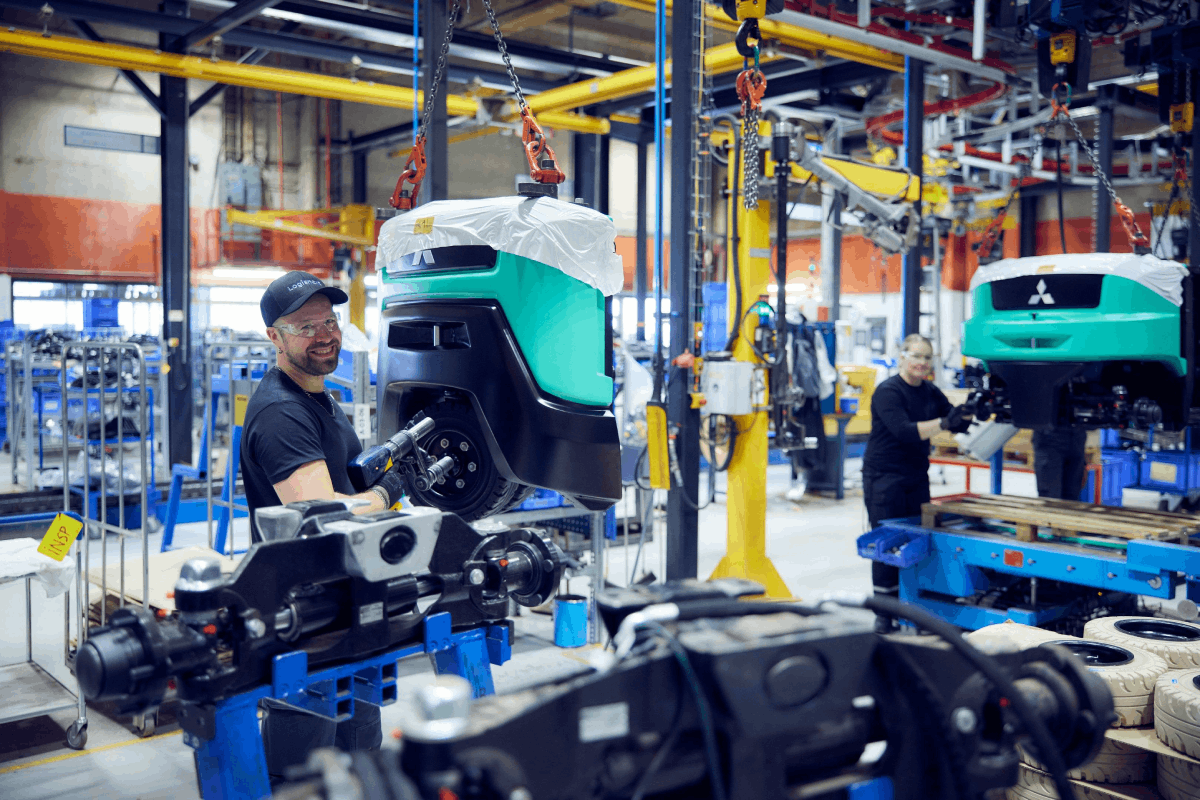
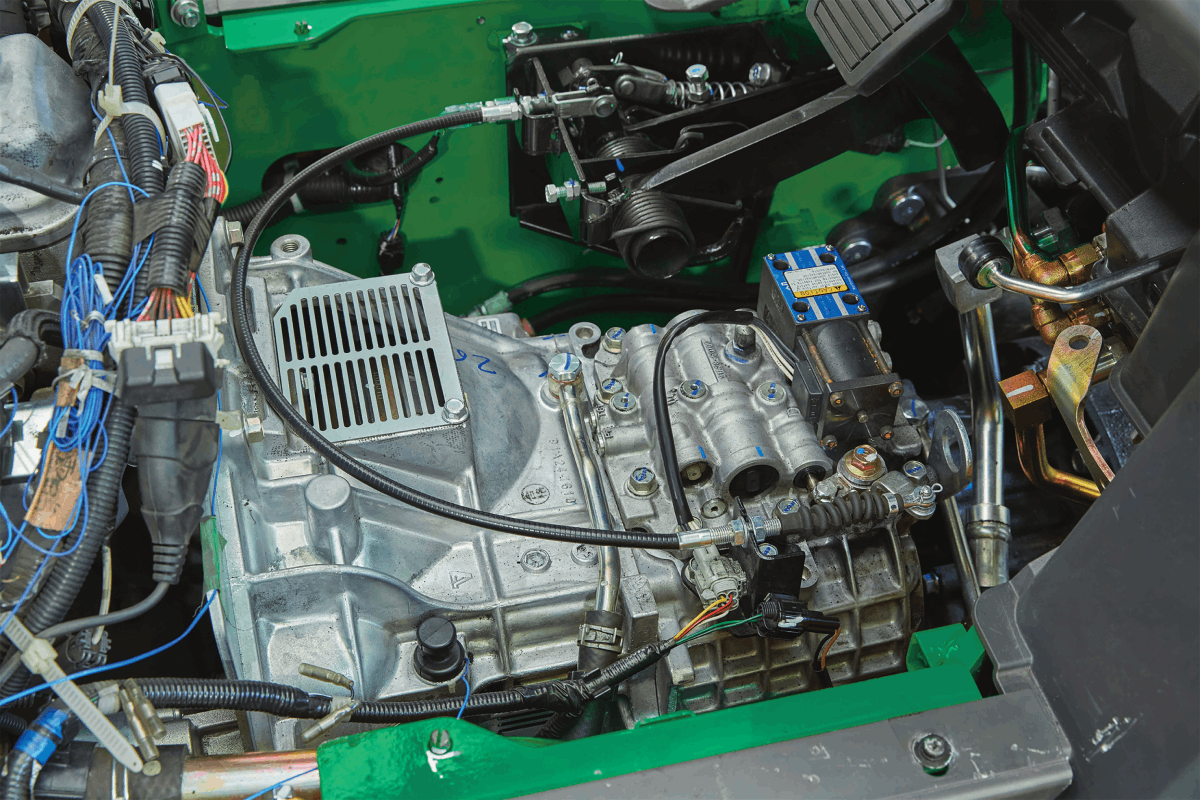
When businesses invest in material handling equipment, factors such as specifications, operational capabilities, and total cost of ownership often receive significant attention. Yet many of the qualities that ultimately determine a forklift’s long-term value are less visible. Traits like reliability, safety, long-term sustainability, and consistent performance are shaped by decisions made long before a truck reaches the warehouse floor, beginning with the engineering design criteria that guide its development.
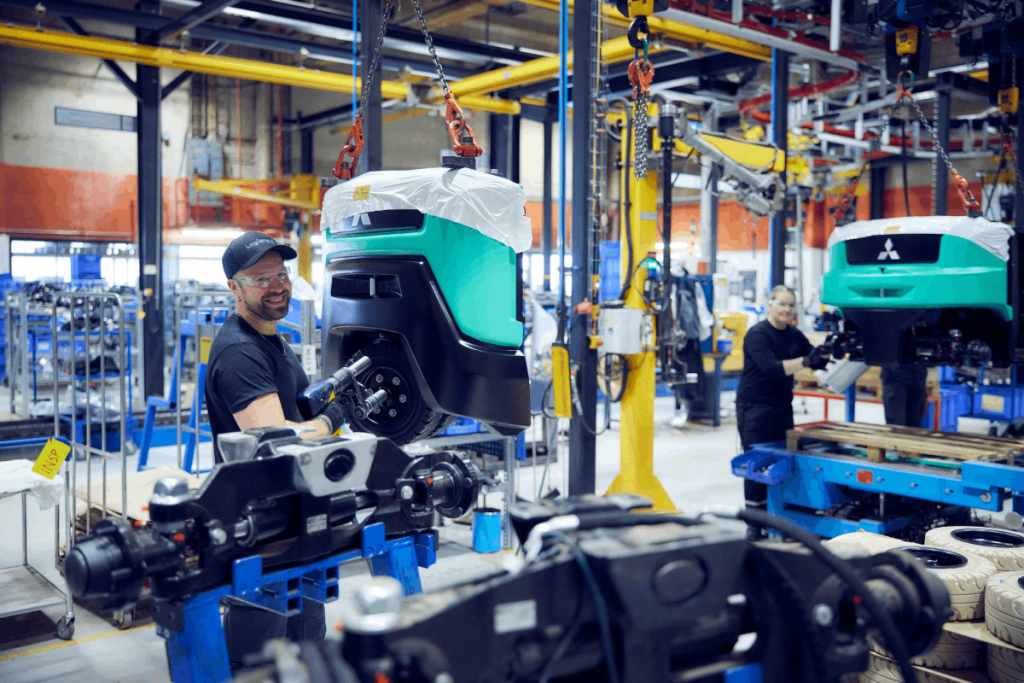
These design criteria influence every stage of the product lifecycle, from product conceptualization to design validation and testing to manufacturing and continuous improvement. They help ensure that equipment can perform reliably across a wide range of operating environments while meeting the expectations of operators, fleet managers, and business owners alike. Built on decades of engineering expertise, Logisnext continues to apply this engineering approach across its material handling portfolio, including our growing range of electric forklifts.
While forklifts may vary in size and application, the most trusted machines share a common foundation: a disciplined engineering approach that prioritises quality, safety, durability, ergonomics and superior performance. This feature explores the engineering behind that approach.
Engineering Excellence Is Built Through Consistency
Long-term reliability is rarely the result of a single technological breakthrough. More often, it is the product of engineering processes that have been refined and validated over many years. This principle is particularly important in material handling, where equipment is expected to perform in demanding environments while supporting safe and efficient operations.
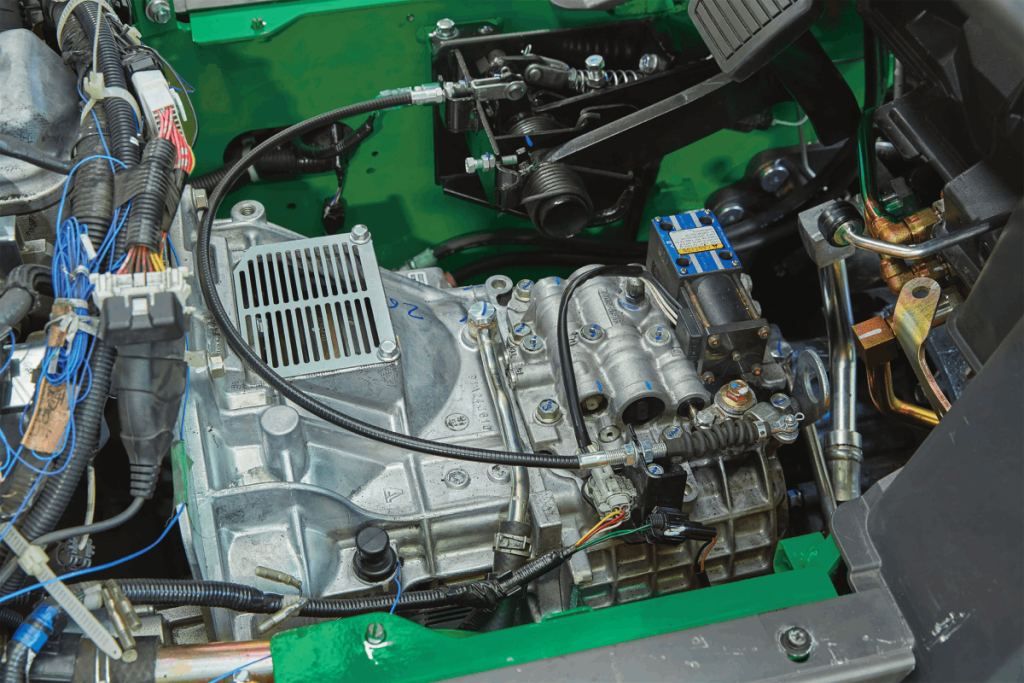
Engineering standards establish the benchmarks that guide product development from concept to production. During the design stage, engineers evaluate factors such as load handling, vehicle stability, operator visibility, and serviceability to ensure that the equipment can achieve performance objectives without compromising safety. These considerations are then subjected to rigorous validation processes designed to assess how equipment performs under real-world operating conditions.
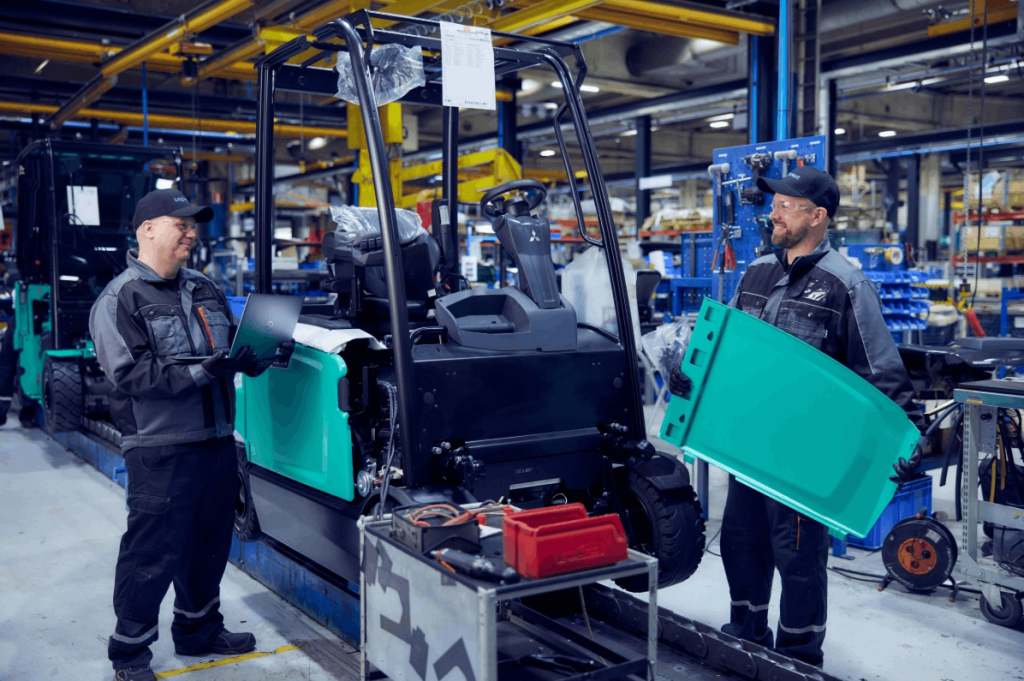
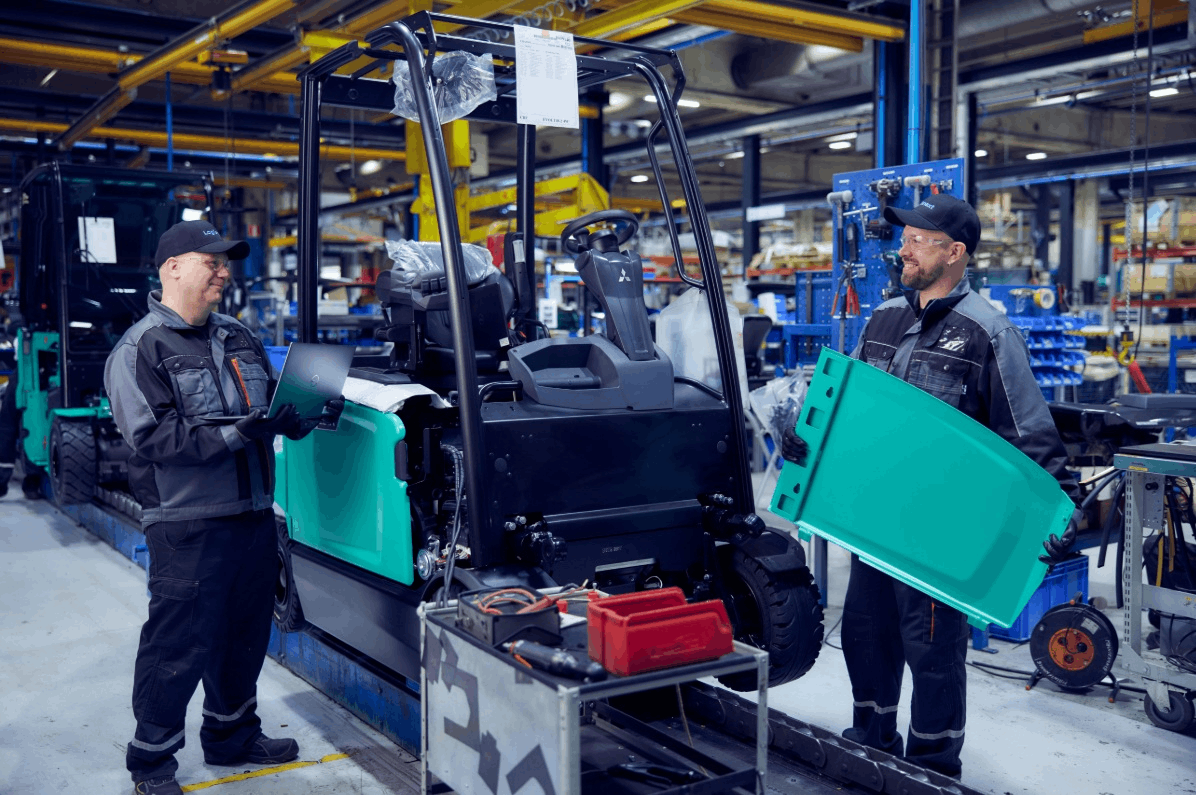
Consistency also extends beyond the initial design phase. Quality assurance measures throughout manufacturing help ensure that products meet established specifications and performance expectations. At the same time, feedback from customers, dealers, and service teams provides valuable insights that can inform future refinements and product improvements.
Over time, this cycle of development, testing, production, and improvement creates a foundation of accumulated engineering knowledge. Rather than approaching each new product as an entirely separate endeavour, manufacturers can build upon proven engineering standards and lessons learned from previous generations of equipment. The result is a more consistent ownership experience and greater confidence in the equipment’s ability to perform as intended throughout its operational life.
The Design Criteria Behind Reliable Material Handling Equipment
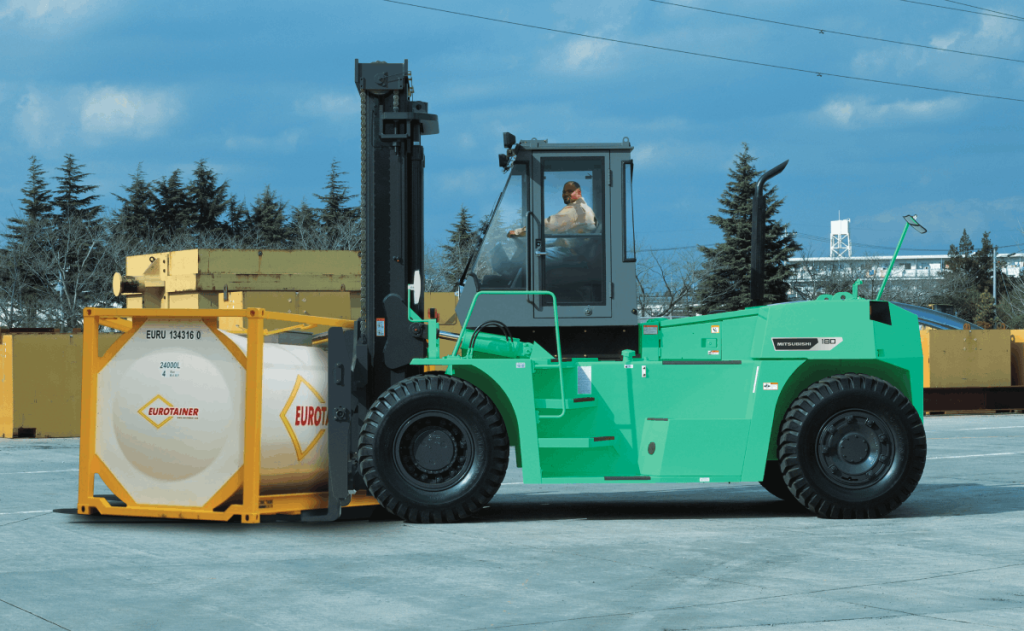
Every material handling application presents its own challenges, yet certain design criteria remain fundamental regardless of operating environment. Whether a forklift is used in a logistics warehouse, manufacturing facility, or port operation, its effectiveness depends on how well these core considerations are balanced throughout the design process:
Engineering Priority
What It Influences
Why It Matters
Stability
Load handling performance
Supports safer operations
Visibility
Operator awareness
Helps reduce workplace risks
Durability
Component longevity
Minimises downtime
Ergonomics
Operator comfort and control
Improves productivity
Serviceability
Maintenance efficiency
Reduces ownership costs
Each of these priorities contributes to overall operational performance and satisfaction, but they do not exist in isolation. For example, improving visibility can enhance safety while also supporting productivity. Similarly, durable components can reduce maintenance requirements while contributing to more reliable uptime. Effective engineering requires an integrated approach that considers how individual design decisions affect the equipment as a whole.
Striking a balance becomes particularly important when forklifts are expected to operate for extended periods under varying workloads and environmental conditions. Equipment that performs well on paper must also deliver consistent results in practical applications, where factors such as operator fatigue and changing operational demands can significantly influence outcomes.
Many of the most important engineering decisions are therefore the least visible. Operators and operational management may not directly observe the design reviews, testing procedures, or validation processes that occur during development, yet the effects of those decisions are reflected in the equipment’s everyday performance.
Engineering Standards Adapt to Different Operational Demands
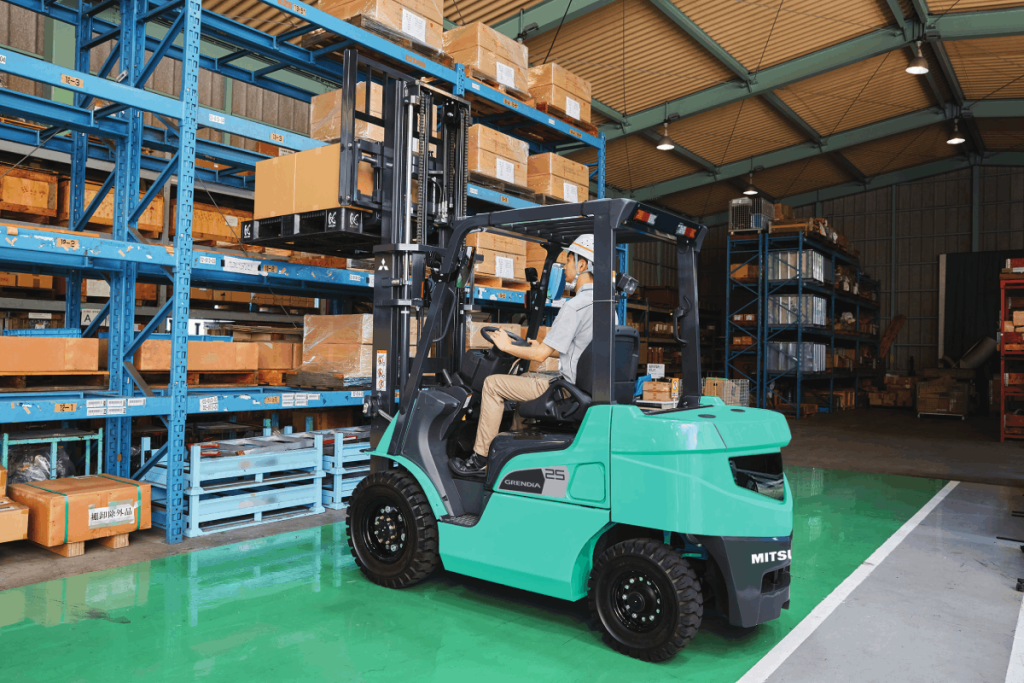
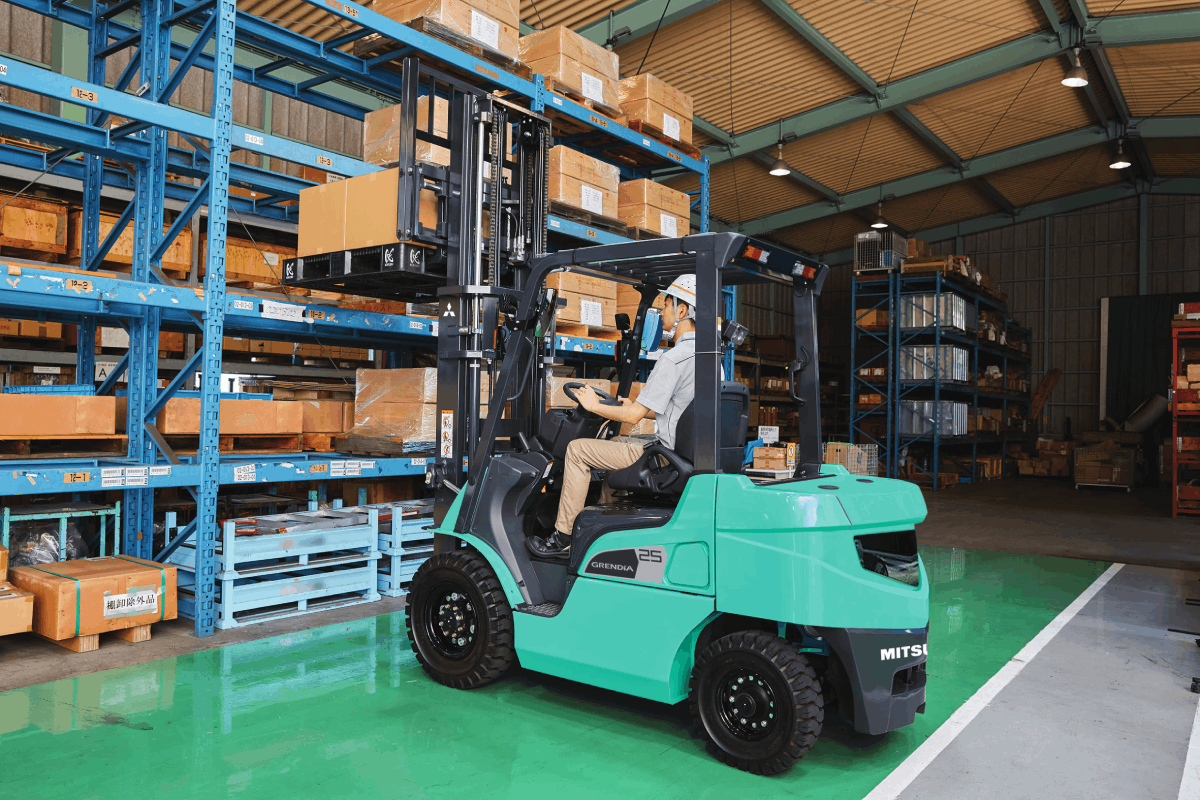
Different operating environments require different engineering responses. Logisnext’s counterbalance forklift range illustrates this clearly, as its Internal Combustion Counterbalance Trucks and Electric Counterbalance Trucks are designed to support distinct operational needs while reflecting the same broader priorities of safety, reliability, manoeuvrability, and performance. The table below outlines the key differences between the two counterbalance forklift categories the company provides:
Forklift Type
Typical Operating Environment
Key Engineering Focus
Operational Value
Electric Counterbalance Forklift
Smooth indoor surfaces, warehouses, and distribution centres
Compact design, responsive handling, and manoeuvrability in confined spaces
Supports efficient movement in dense storage and indoor logistics environments
Internal Combustion Counterbalance Forklift
Mixed indoor-outdoor operations and less uniform surfaces
Stability, traction, and versatility across varied work areas and load handling
Provides flexibility for businesses operating across different surface conditions and load handling
Although these forklift categories are designed for different applications, they are guided by many of the same design criteria. Stability, operator visibility, durability, serviceability, and ergonomic design remain essential considerations regardless of operating environment. The specific solutions may vary according to operational requirements, but the criteria used to evaluate the equipment remain consistent. The approach of applying proven engineering standards across different use cases helps ensure that equipment can meet diverse business needs without compromising product integrity.
The design criteria behind a forklift may not be immediately visible, but their impact is immediately clear in the way the equipment ultimately performs. This is precisely why engineering integrity remains one of the clearest indicators of long-term value for businesses that depend on heavy equipment for material handling. Explore our range of forklifts today to see how decades of engineering expertise continue to support modern operational demands.