
Few names in the material handling industry carry the same longstanding reputation for reliability as Mitsubishi Forklift Trucks. Across warehouses, manufacturing facilities, logistics hubs, and ports throughout the Asia-Pacific region, the brand has equipped businesses with the tools to meet demanding operational requirements, delivering consistent performance and proven value across decades of service.
Today, that legacy is entering a new chapter. Mitsubishi Forklift Trucks is gradually rebranding to Logisnext Forklifts across the APAC region, a forward-looking transition that reflects the business’s broader ambition to lead the next generation of logistics solutions. The name changes; the commitment does not. The engineering quality, trusted service networks, and practical expertise that customers and dealer partners have come to rely on remain the foundation of everything Logisnext Forklifts does.
Building a Strong Presence across APAC
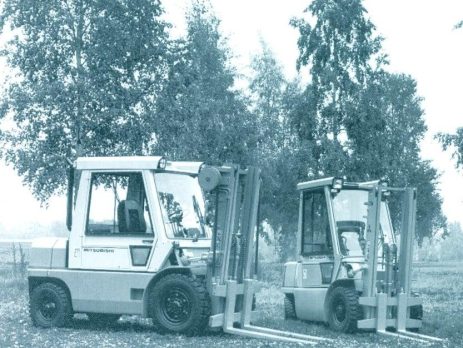
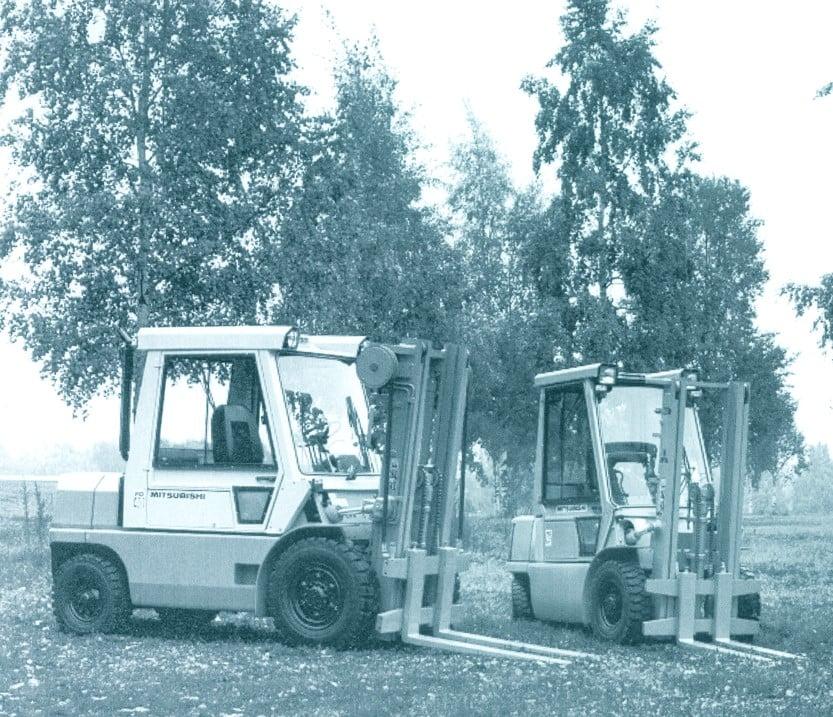
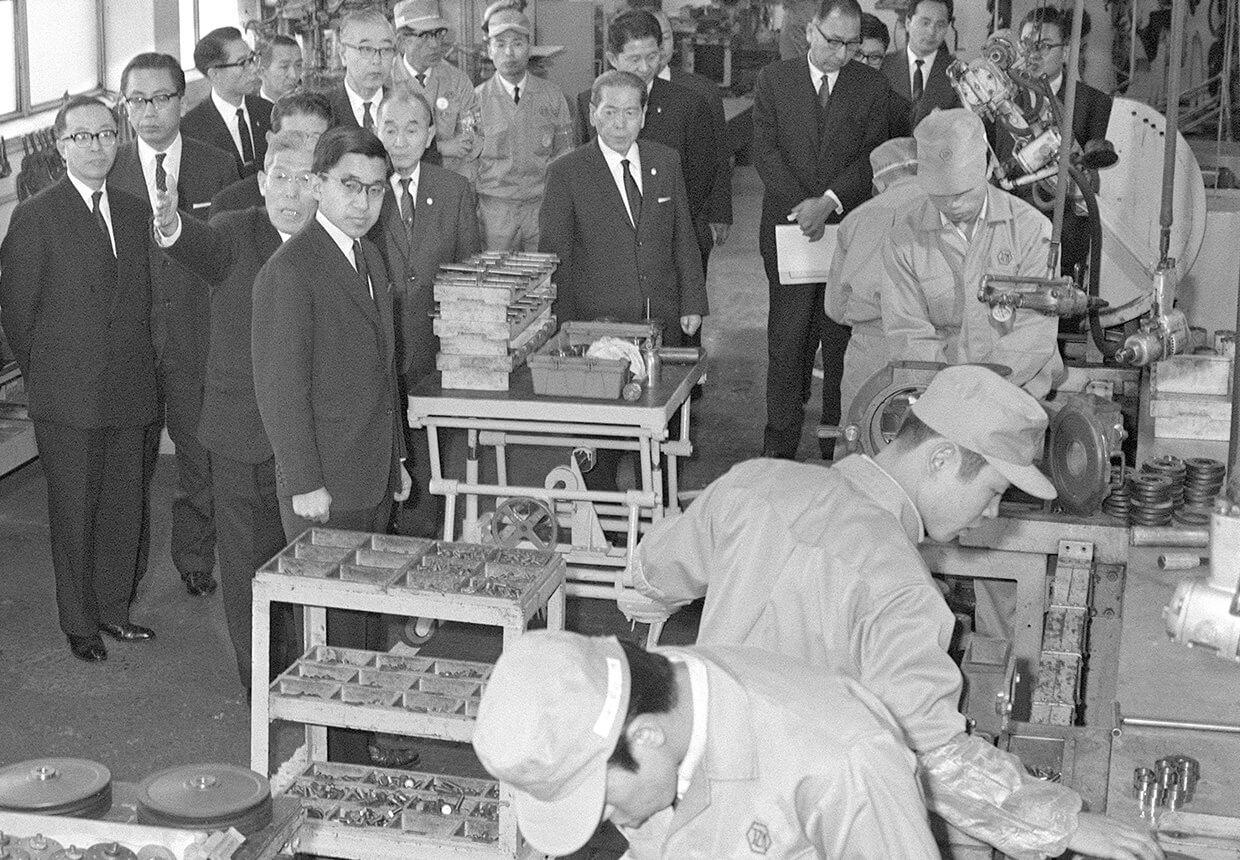
The story of Logisnext Forklifts begins in the 1970s, when its predecessor business under Mitsubishi Heavy Industries first entered the forklift industry – initially manufacturing internal combustion forklifts before progressively expanding into electric and automated equipment. As the business grew, it extended its reach across global markets under the Mitsubishi Forklift Trucks brand, establishing itself as a recognised name in material handling and warehouse solutions.
Over the following decades, the business evolved into a global presence in material handling and intralogistics solutions, deepening its focus on automation, electrification, and the smart logistics technologies that define the industry today. That global evolution is the foundation on which Logisnext Forklifts now stands.
Across the Asia-Pacific region, growth was both deliberate and sustained. Throughout the 1990s and 2000s, the company expanded its manufacturing footprint with production facilities established in China and Thailand, while building strong dealer and service networks across Southeast Asia, Australia, and East Asia, including Japan, South Korea, and Taiwan. Its customer base grew to span key industries including logistics, warehousing, automotive, food production, and general manufacturing.
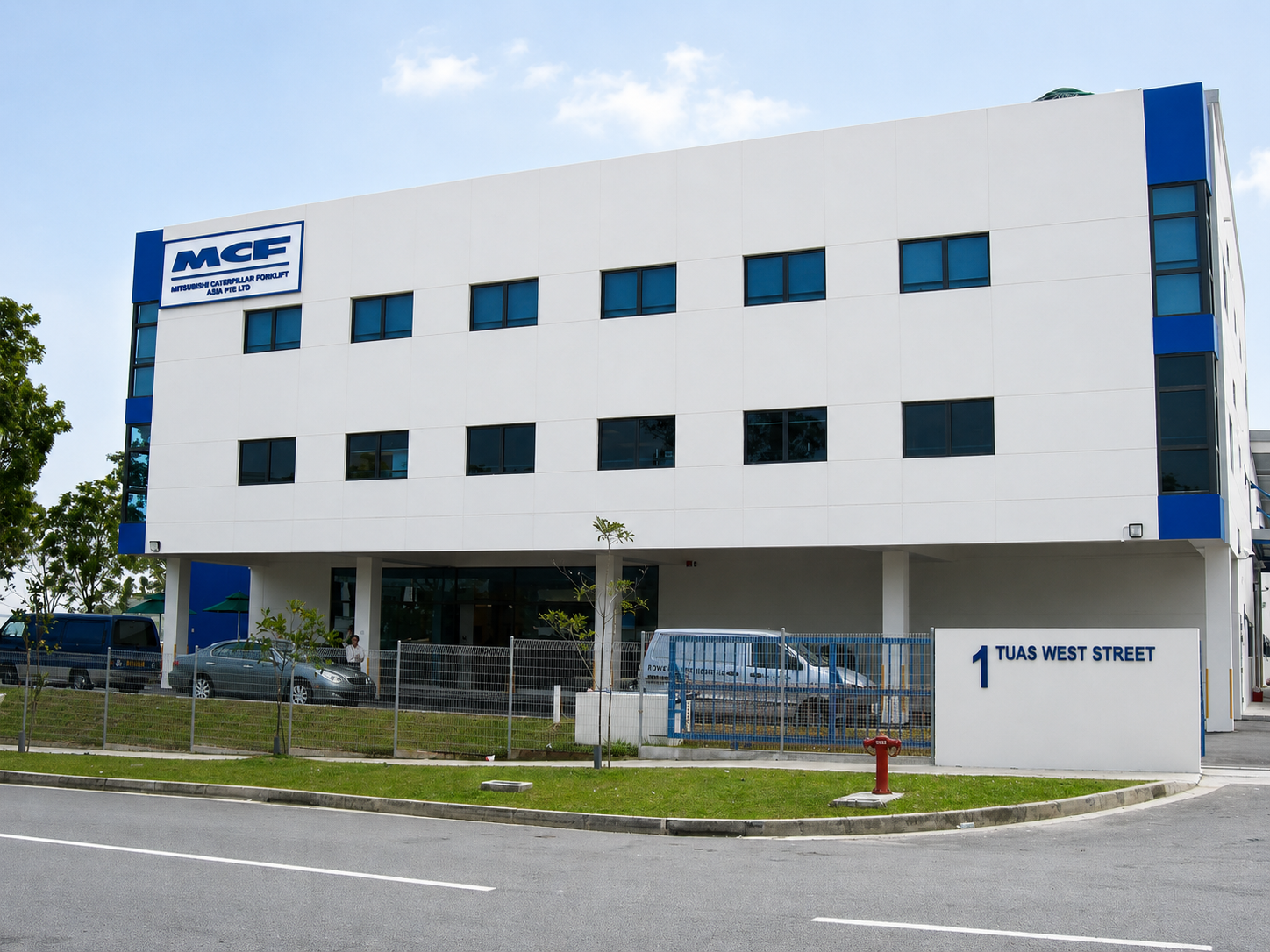
A foundational milestone in the APAC journey came in 1992, with the establishment of the Singapore entity that lay the groundwork for regional operations and the development of what would become the company’s APAC headquarters. From that base, the business steadily built the infrastructure, partnerships, and industry expertise that continue to underpin Logisnext Forklifts’ regional presence today.
Key Milestones: From Mitsubishi Forklift Trucks to Logisnext Forklifts
The following milestones trace the journey from Logisnext Forklifts’ origins in the 1970s to its present-day transformation across Asia-Pacific.
Year | Milestone |
1970s | Predecessor business under Mitsubishi Heavy Industries enters the forklift industry, initially manufacturing internal combustion forklifts. |
1970s–1980s | Expansion into heavy duty application including Port product up to 42 ton capacity; growth into global markets under the Mitsubishi Forklift Trucks brand. |
1992 | Singapore entity established, laying the foundation for regional operations and future APAC headquarters development. |
1994 | Rolled out an industry-leading parts distribution system across Asia Pacific, strengthening regional after-sales support. |
1990s–2000s | Production facilities established in China and Thailand; dealer and service networks built across Southeast Asia, Australia, East Asia, and North Asia, including Japan, South Korea, and Taiwan. |
2002 | Launch full line of electric counterbalance and warehouse product |
2003 | Launching then state of the art flagship model GRENDiA |
2004 | Launch the Lease and Rental program in APAC |
2005 | Commence incorporating AC Drive motor to all electric model |
2006 | Launch of new large size (lift capacity 8 to 16 ton) Internal combustion truck |
2010 | Complete acquisition of Rocla, introduce complete warehouse product line |
2011 | Product Launch new medium size (lift capacity 4 to 5.5 ton) Internal combustion truck |
2011 | Started production of internal combustion truck in Dalain, China |
2012 | Launch CLASIDiA, Internal Combustion Pneumatic Tyre Forklift |
2013 | Launch new 3 Wheels electric counterbalance truck |
2014 | Launch new sit-down reach truck Sensia |
2015 | Launch Pantograph Reach Truck |
2017 | Completed the offering of comprehensive warehousing range with the launch for Stand-On Reach |
2017 | Launch new 7-to-10-ton Internal Combustion Pneumatic Tyre trucks |
2020s | Increased focus on electrification, sustainability, and safety-driven product development. |
2020 | Launch new and state of the art Electric Counterbalanced Pneumatic Tyre trucks (1.5 to 3.5 ton) |
2023 | Launch GRENDiA (Internal Combustion Pneumatic Tyre) model change |
2026 | Gradual rebranding: APAC operations transition to Logisnext Asia Pacific, aligning regional branding under the global Logisnext Forklifts identity |
to its present-day transformation across Asia-Pacific.
From Mitsubishi Forklift Trucks to Logisnext Forklifts
The decision to rebrand did not emerge in isolation. Changing logistics demands across Asia-Pacific have prompted many established industrial businesses to reassess their positioning for the decade ahead. For Logisnext Forklifts, the transition represents a strategic step forward: preserving continuity in products, services, and dealer relationships while embracing a name built for the future of logistics.
The name itself carries that vision. “Logisnext”, derived from “Logistical Equipment & System Solutions Next”, signals a business focused not merely on moving loads, but on enabling the logistics operations of the future. Forklift trucks remain central to the portfolio, but the rebrand also reflects the growing importance of integrated logistics solutions, warehouse technologies, and supply chain intelligence across the region.
Expanding Beyond Traditional Material Handling
The warehouse and logistics landscape across Asia-Pacific has changed dramatically over the past decade. The explosive growth of e-commerce, the increasing complexity of modern supply chains, and persistent labour shortages across key markets have together reshaped what logistics operators need from their equipment providers. Forklifts alone are no longer sufficient; businesses require integrated solutions.
Logisnext Forklifts is responding to that reality. Alongside its established internal combustion and electric forklift ranges, the company’s portfolio now encompasses warehouse equipment, fleet management technologies, and automation-related systems – tools designed to improve efficiency, safety, and operational consistency in today’s demanding logistics environments.
This evolution places Logisnext Forklifts at the intersection of traditional material handling and the emerging world of smart logistics – a position that distinguishes it from companies that supply equipment alone.
Supporting Safer and More Sustainable Logistics
Operational efficiency is only one dimension of today’s logistics challenge. Across Asia-Pacific, businesses face mounting pressure to improve workplace safety, reduce environmental impact, and demonstrate the long-term reliability of their equipment investments. These priorities are reshaping product development across the entire material handling industry.
Electrification is central to Logisnext Forklifts’ product direction. Electric forklifts and energy-efficient equipment now feature more prominently across the range, supporting industry-wide efforts to reduce emissions within warehouses and industrial facilities while delivering greater operational flexibility, particularly in indoor environments where air quality and noise levels directly affect workers.
Safety is not an afterthought. Equipment design priorities include operator ergonomics, sightline visibility, load stability, and consistent performance under extended use. In addition, connected fleet solutions have become a key focus, enabling fleet data collection, analysis, and operational optimisation to improve efficiency and productivity. Combined with established after-sales support and regional service networks across APAC, these design commitments translate directly into reduced downtime and safer daily operations for customers.
Continuity for Customers and Dealer Partners
In the material handling industry, trust is not built overnight. It is earned through years of consistent service, dependable equipment, and partnerships that hold firm when operations are under pressure. That is precisely the kind of relationship Logisnext Forklifts is committed to sustaining through this transition and well beyond it.
Logisnext Forklifts has structured the rebrand with that in mind. Existing support channels, dealer relationships, and service teams remain in place throughout the transition, ensuring that customers experience no disruption to the partnerships they depend on. The brand name is evolving; the people, the processes, and the accountability are not.
Beyond continuity, the transition to Logisnext Forklifts also connects customers and dealer partners to a larger global network – one with deeper resources, broader technological capabilities, and a long-term commitment to advancing logistics solutions across the region. For businesses that depend on operational uptime and reliable support, that means greater confidence, not less.
This approach is deliberate. By maintaining everything that customers value while expanding what Logisnext Forklifts can offer, the transition is designed not merely to preserve trust, but to strengthen it.
Conclusion
The transition from Mitsubishi Forklift Trucks to Logisnext Forklifts is more than a renaming exercise. It is the next stage in the evolution of a business that has spent decades earning the trust of industries across Asia-Pacific: through reliable equipment, capable partnerships, and an unwavering focus on keeping operations moving.
The forklift trucks that defined a generation of warehouses and logistics operations across the region are not being left behind. They are being carried forward, under a name built for where logistics is headed next.
As supply chains grow more complex, as automation reshapes warehouse operations, and as sustainability rises to the top of corporate agendas, Logisnext Forklifts is positioned to be more than a forklift supplier. It is becoming an integrated logistics solutions partner – for the industries of today, and the operations of tomorrow.